Image


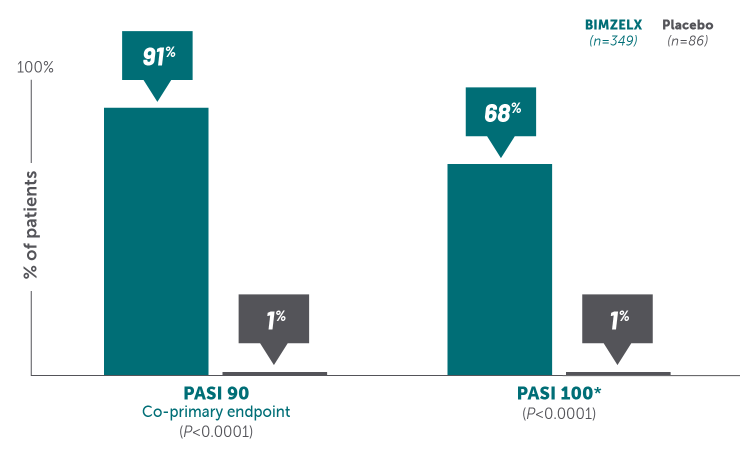
BIMZELX (IL-17A + IL-17F inhibitor) vs placebo (NRI)4
BE SURE co-primary endpoints: IGA 0/1 at Week 16: 85% (BIMZELX), 57% (adalimumab)—(P<0.001); PASI 90 at Week 16: 86% (BIMZELX), 47% (adalimumab)—(P<0.001).5
BE RADIANT primary endpoint: PASI 100 at Week 16: 62% (BIMZELX), 49% (secukinumab)—(P<0.001).3
IGA 0/1 at Week 16: 93% (BIMZELX Q4W), 1% (placebo)—(P<0.0001) co-primary endpoint vs placebo2
Prespecified secondary endpoint adjusted for multiplicity.
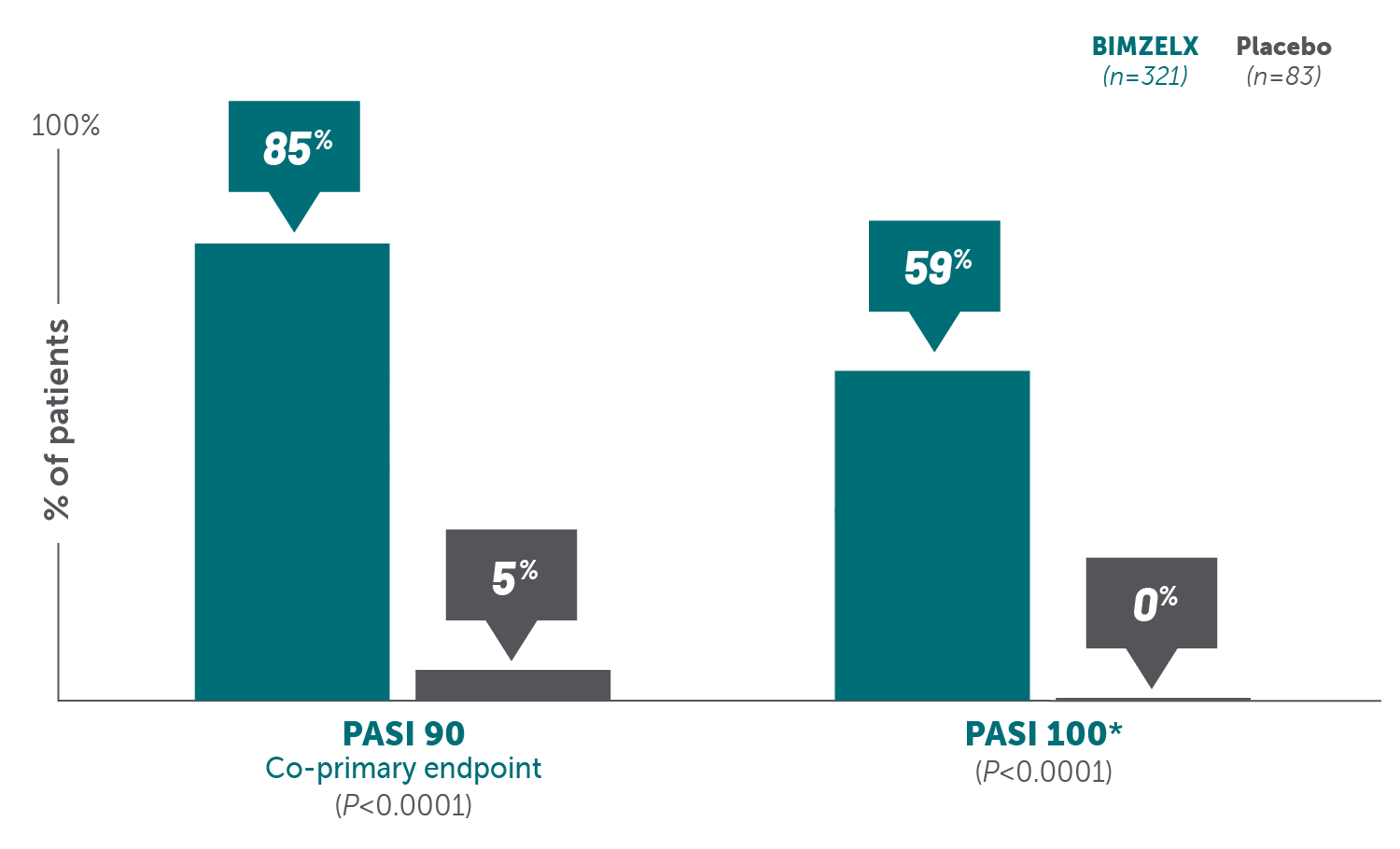
BIMZELX (IL-17A + IL-17F inhibitor) vs placebo (NRI)4
BE SURE co-primary endpoints: IGA 0/1 at Week 16: 85% (BIMZELX), 57% (adalimumab)—(P<0.001); PASI 90 at Week 16: 86% (BIMZELX), 47% (adalimumab)—(P<0.001).5
BE RADIANT primary endpoint: PASI 100 at Week 16: 62% (BIMZELX), 49% (secukinumab)—(P<0.001).3
IGA 0/1 at Week 16: 84% (BIMZELX Q4W) vs 5% (placebo) co-primary endpoint; P<0.00014
Prespecified secondary endpoint adjusted for multiplicity.
PASI 90 response rates in PSO studies at WEEK 4 (NRI)2-6†
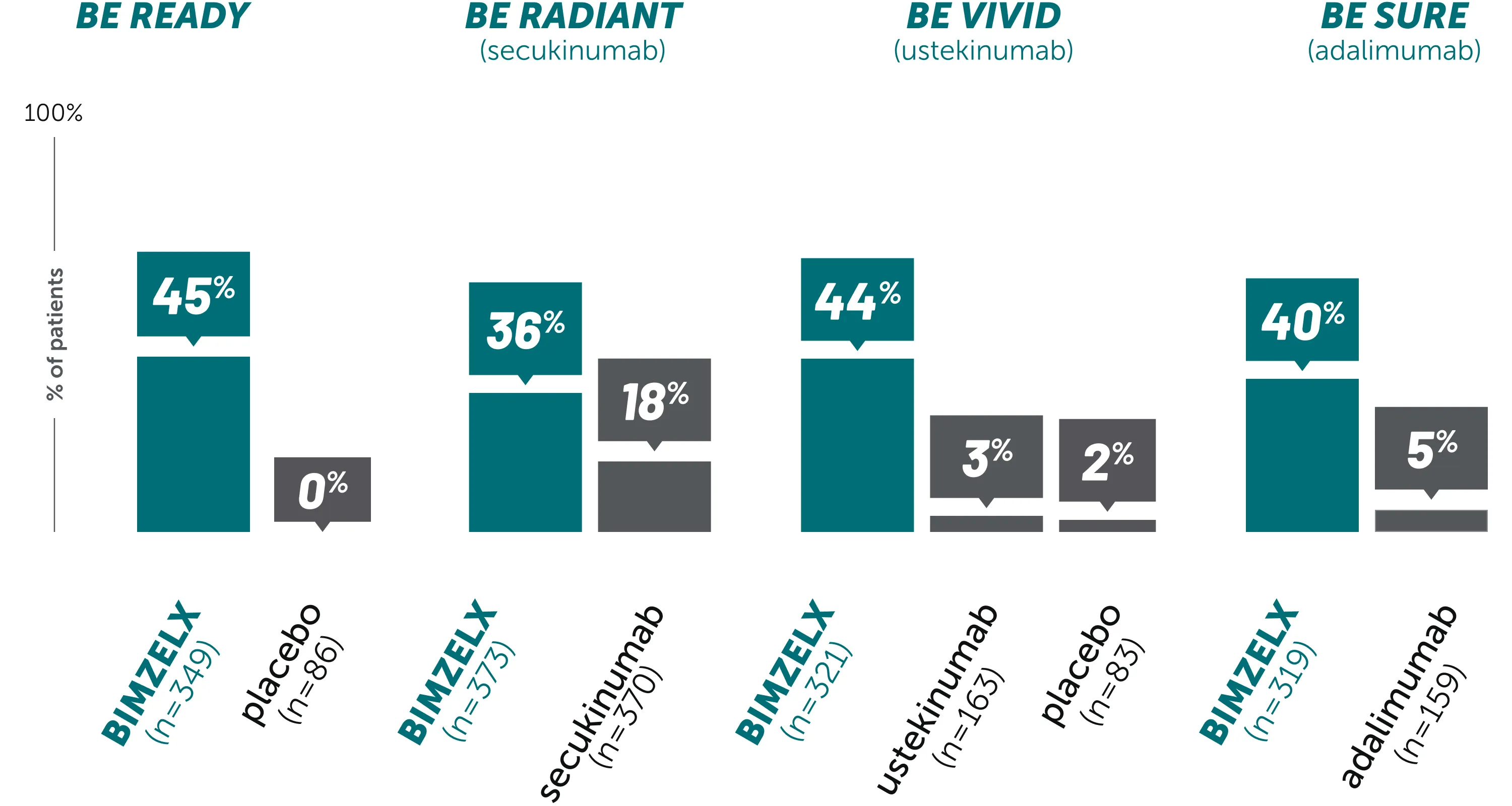
COMPLETE CLEARANCE, FAST
From the very first dose, up to 19% of clinical trial patients achieved PASI 100 at Week 42‡
From the very first dose as measured at Week 4; results were not immediate.
Endpoints not adjusted for multiplicity. Nominal P values.
Demonstrated in BE READY.
In BE BRIGHT OLE2: ~77% of patients were PASI 100 at Year 56
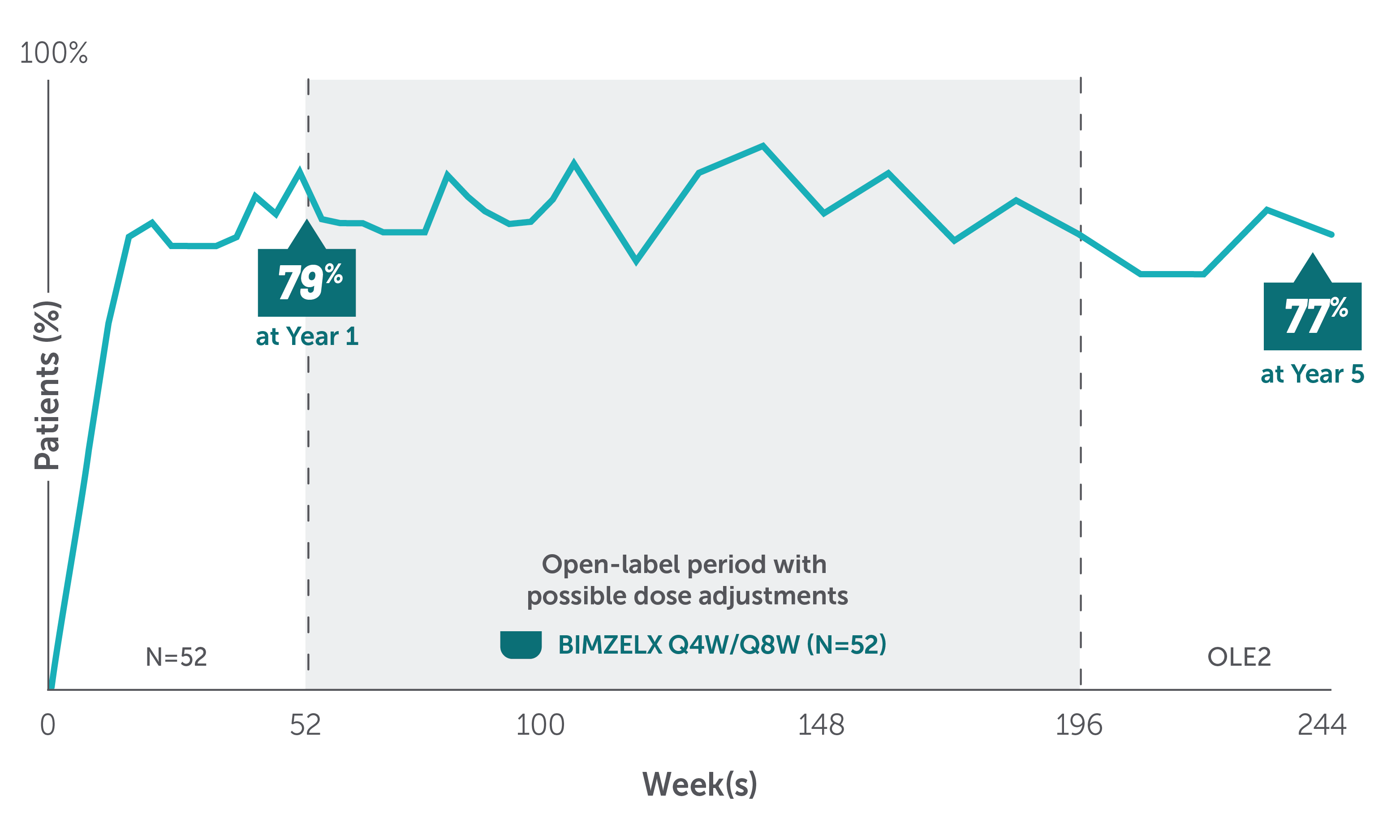
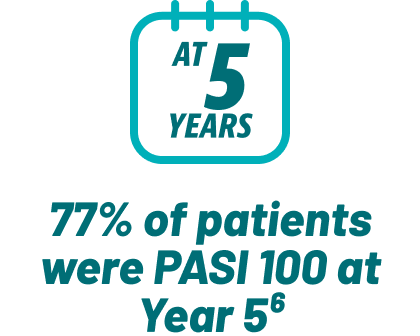
US/Canadian patients who completed the BE BRIGHT OLE through 4 years could enter a second 48-week OLE (OLE2). Efficacy data is reported in patients who received BIMZELX 320 mg Q4W to Week 16 then Q8W thereafter (N=52). Due to the small patient group, results should be interpreted with caution.

US/Canadian patients who completed the BE BRIGHT OLE through 4 years could enter a second 48-week OLE (OLE2). Efficacy data is reported in patients who received BIMZELX 320 mg Q4W to Week 16 then Q8W thereafter (N=52). Due to the small patient group, results should be interpreted with caution.
OLE LIMITATIONS: The open-label extension has limitations with a lack of comparator and the potential enrichment of the patient population.
Efficacy computed using modified NRI.
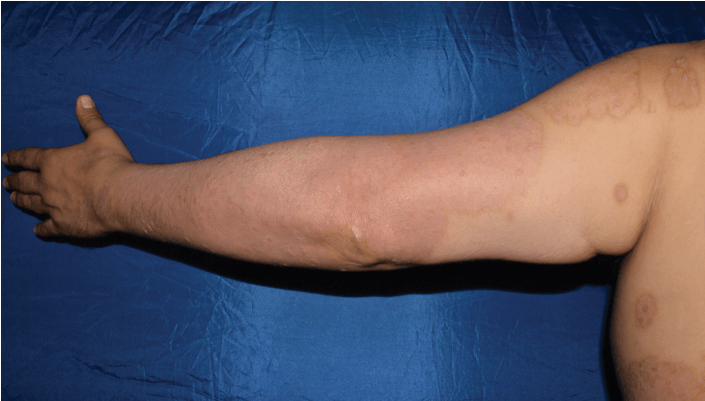
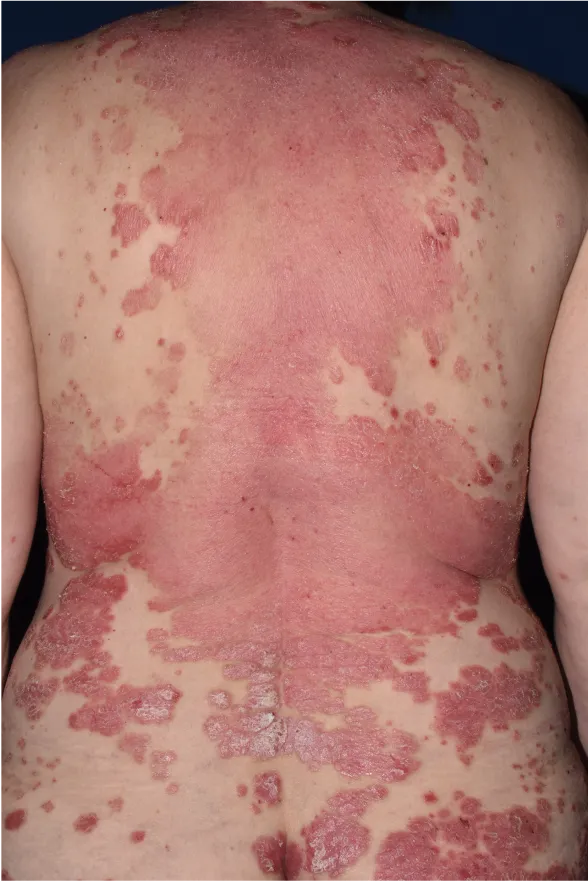
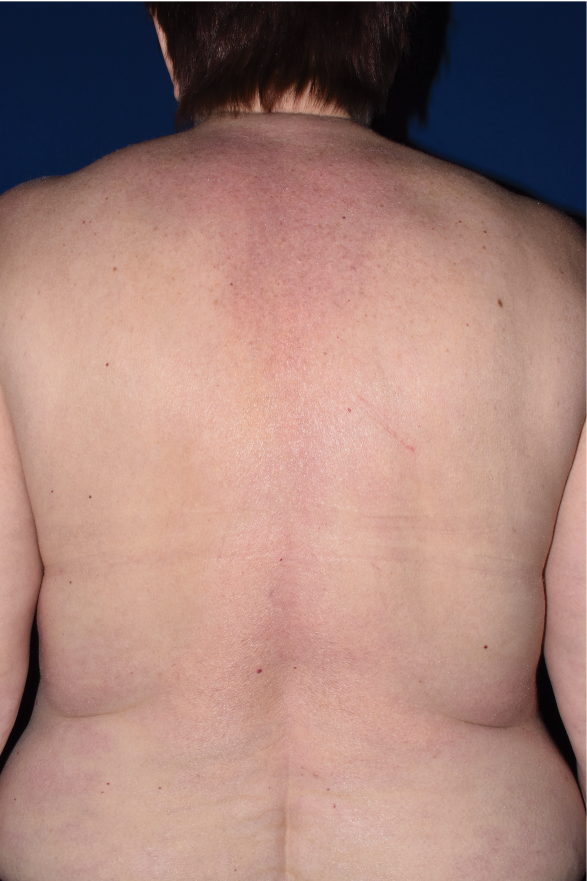
PASI 31.6; BSA 61%

PASI 31.6; BSA 61%
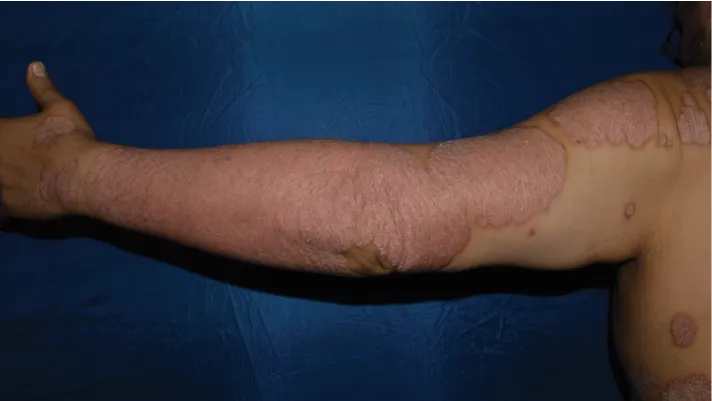
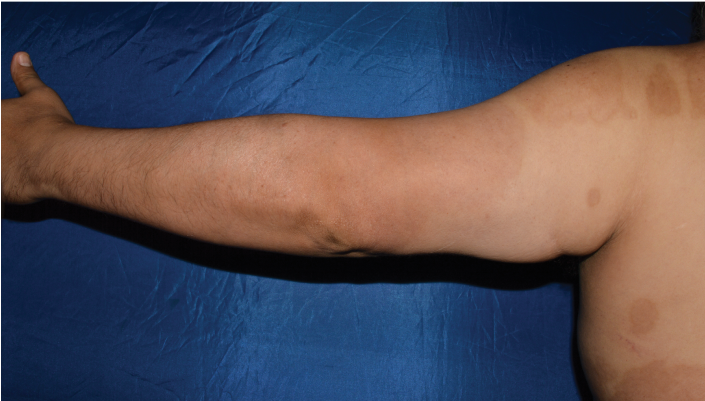
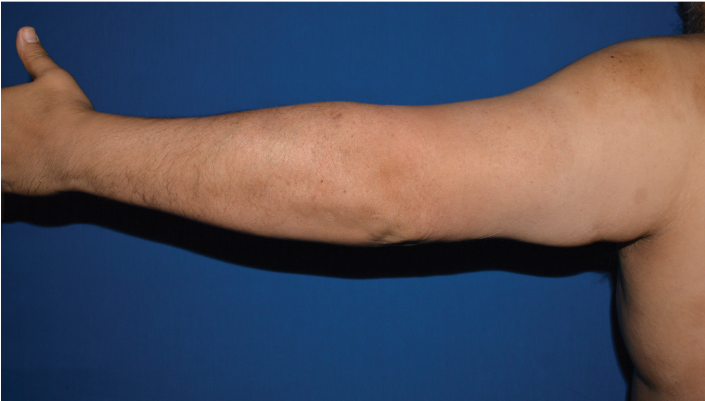
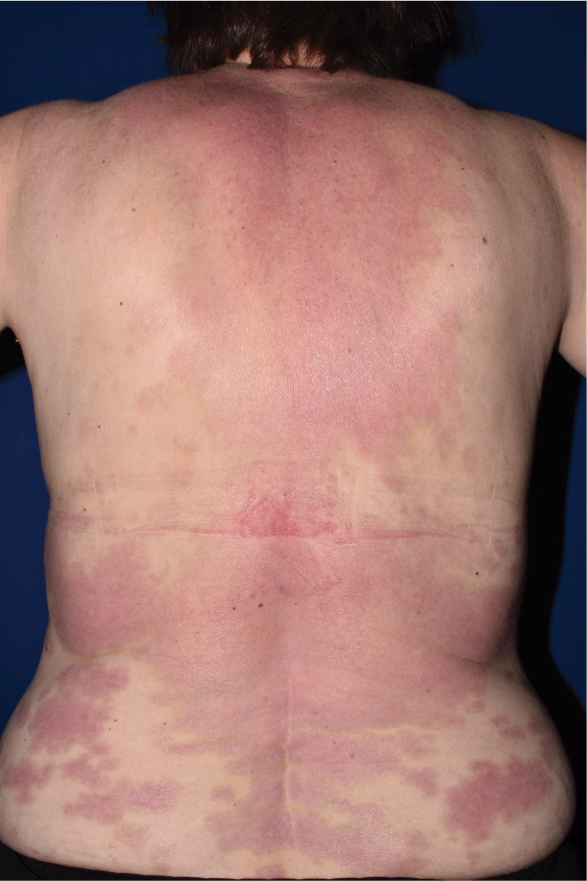
Actual patient from the BE VIVID clinical trial who received a dose of 320 mg Q4W to Week 52. The recommended dose for BIMZELX is 320 mg Q4W for 16 weeks, then Q8W thereafter. For patients weighing 120 kg (265 lb) or more, a dose of 320 mg Q4W after Week 16 may be considered. The patient achieved PASI 90 at Week 16 (co-primary endpoint). Results are reflective of the average response in the trial patient population.
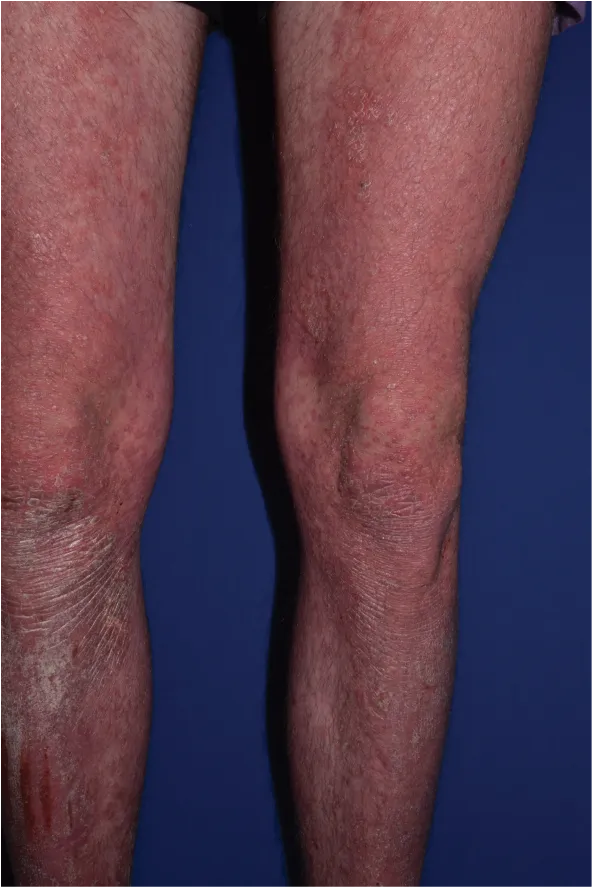
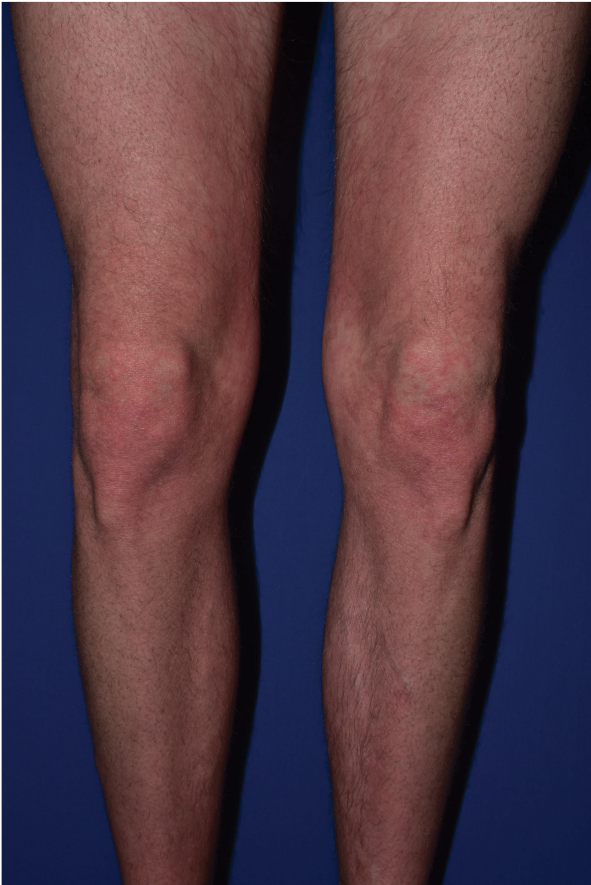
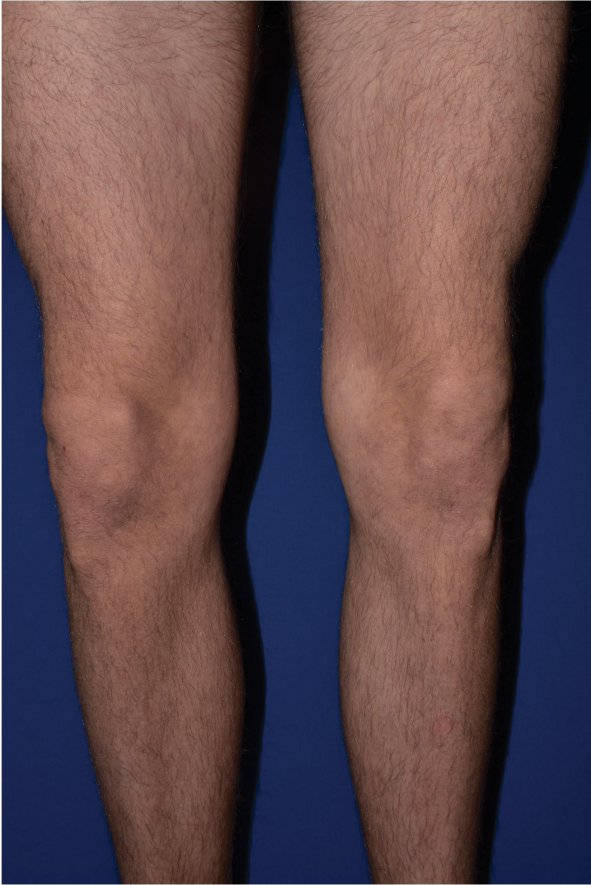
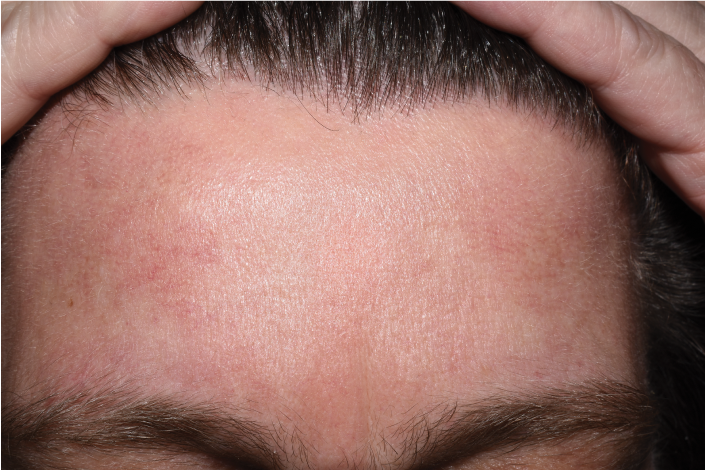
Actual patient from the BE RADIANT clinical trial who received a dose of 320 mg Q4W to Week 48. The recommended dose for BIMZELX is 320 mg Q4W for 16 weeks, then Q8W thereafter. For patients weighing 120 kg (265 lb) or more, a dose of 320 mg Q4W after Week 16 may be considered. The patient achieved PASI 100 at Week 16 (co-primary endpoint). Results are reflective of the average response in the trial patient population.
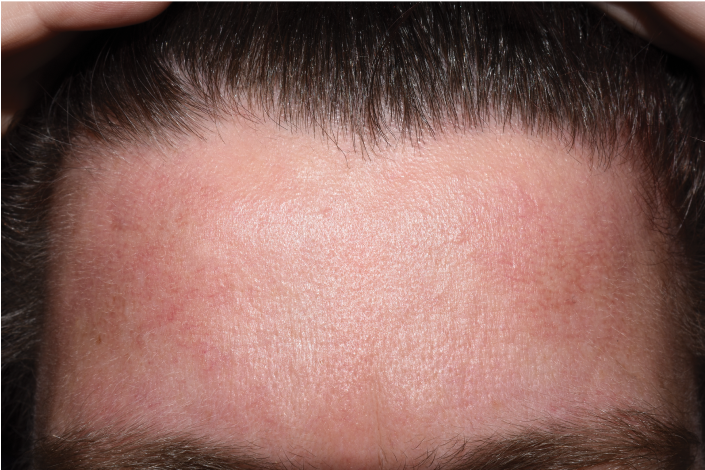
Actual patient from the BE RADIANT clinical trial who received a dose of 320 mg Q4W to Week 48. The recommended dose for BIMZELX is 320 mg Q4W for 16 weeks, then Q8W thereafter. For patients weighing 120 kg (265 lb) or more, a dose of 320 mg Q4W after Week 16 may be considered. The patient achieved PASI 100 at Week 16 (co-primary endpoint). Results are reflective of the average response in the trial patient population.
Actual patient from the BE RADIANT clinical trial who received a dose of 320 mg Q4W to Week 48. The recommended dose for BIMZELX is 320 mg Q4W for 16 weeks, then Q8W thereafter. For patients weighing 120 kg (265 lb) or more, a dose of 320 mg Q4W after Week 16 may be considered. The patient achieved PASI 100 at Week 16 (co-primary endpoint). Results are reflective of the average response in the trial patient population.
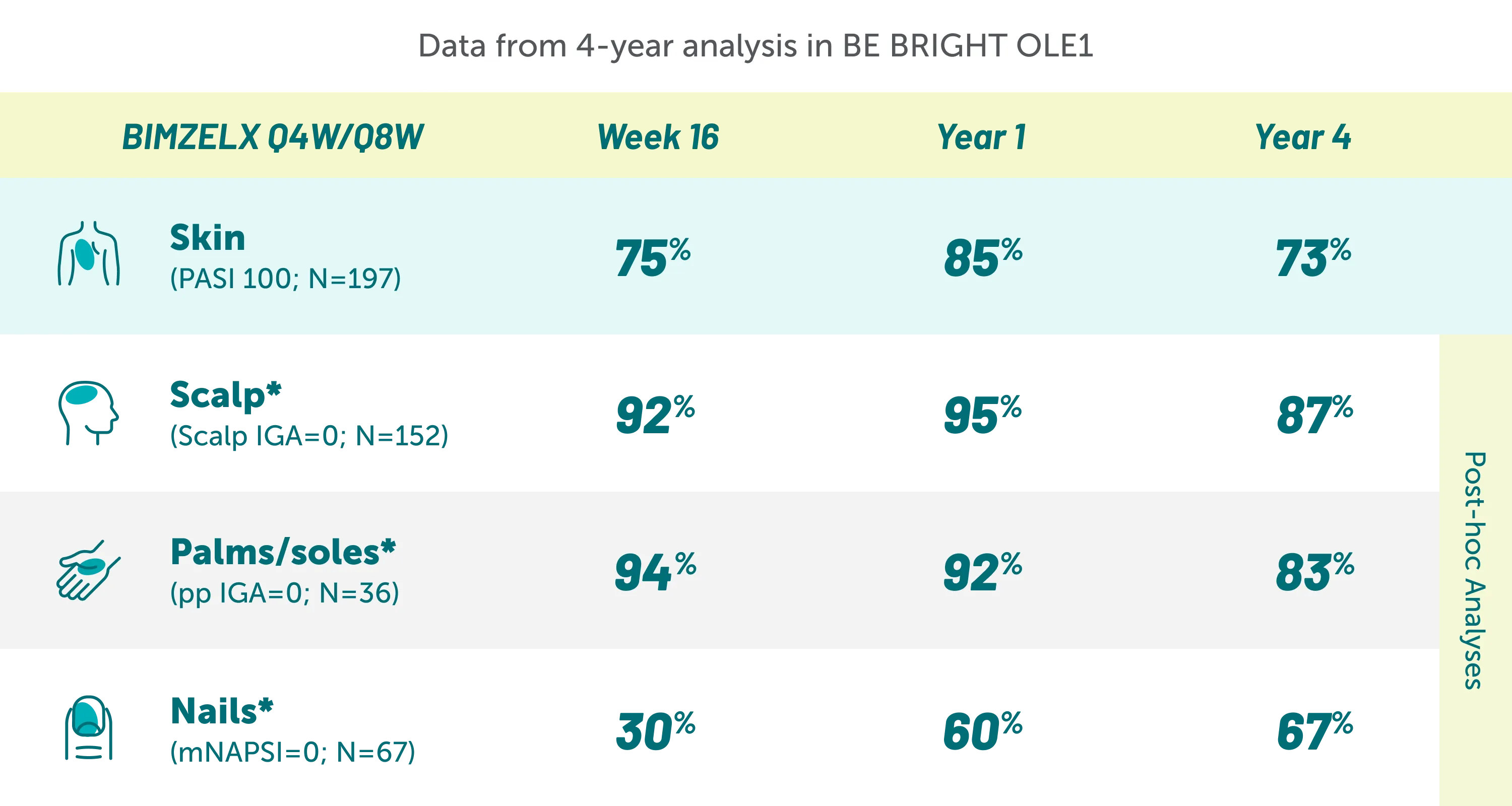
STUDY LIMITATIONS: Scalp IGA 0, pp IGA 0, and mNAPSI 0 response over time is based on post hoc analyses and should be interpreted with caution as the analyses were not prespecified in the original protocols. The open-label extension has limitations with a lack of comparator and the potential enrichment of the patient population.
BIMZELX has not been evaluated in the treatment of genital psoriasis.
In BE READY and BE VIVID, Scalp IGA 0/1 at Week 16 was a ranked secondary endpoint. pp-IGA and mNAPSI responses were prespecified exploratory endpoints.2,4
In BE READY and BE VIVID, 92% and 84% of patients on BIMZELX achieved Scalp IGA 0/1 at Week 16 vs 7% and 15% taking placebo, respectively.2,4
In patients with scalp, nail, and/or palmoplantar psoriasis at baseline.
Study designs
BIMZELX vs PLACEBO1,2
BIMZELX vs COSENTYX® (secukinumab)3
BIMZELX vs STELARA® (ustekinumab) AND PLACEBO1,4
BIMZELX vs HUMIRA® (adalimumab)5
OPEN-LABEL EXTENSION6,7
BSA=body surface area; IGA=Investigator’s Global Assessment; mNAPSI=modified Nail Psoriasis Severity Index; mNRI=modified non-responder imputation; NRI=nonresponder imputation; OLE=open-label extension; PASI=Psoriasis Area and Severity Index; PSO=plaque psoriasis; pp=palmoplantar; Q4W=every 4 weeks; Q8W=every 8 weeks.
References: 1. BIMZELX [prescribing information]. Smyrna, GA: UCB, Inc. 2. Gordon KB, et al. Lancet. 2021;397(10273):475-486. 3. Reich K, et al. N Engl J Med. 2021;385(2):142-152. 4. Reich K, et al. Lancet. 2021;397(10273):487-498. 5. Warren RB, et al. N Engl J Med. 2021;385(2):130-141. 6. Data on file. UCB, Inc.; Smyrna, GA. 7. Strober B, et al. Br J Dermatol. 2023;188(6):749-759. 8. COSENTYX® [prescribing information]. East Hanover, NJ: Novartis Pharmaceuticals Corp. 9. TALTZ® [prescribing information].
Indianapolis, IN: Eli Lilly and Company.
US-BK-2501262
BIMZELX is indicated for the treatment of adults with active psoriatic arthritis, active non-radiographic axial spondyloarthritis with objective signs of inflammation, active ankylosing spondylitis, moderate-to-severe plaque psoriasis who are candidates for systemic therapy or phototherapy, and moderate-to-severe hidradenitis suppurativa.
BIMZELX may increase the risk of suicidal ideation and behavior (SI/B). A causal association between treatment with BIMZELX and increased risk of SI/B has not been definitively established. Prescribers should weigh the potential risks and benefits before using BIMZELX in patients with a history of severe depression or SI/B. Advise monitoring for the emergence or worsening of depression, suicidal ideation, or other mood changes. If such changes occur, instruct to promptly seek medical attention, refer to a mental health professional as appropriate, and re-evaluate the risks and benefits of continuing treatment.
BIMZELX may increase the risk of infections, including serious infections. Do not initiate treatment with BIMZELX in patients with any clinically important active infection until the infection resolves or is adequately treated. In patients with a chronic infection or a history of recurrent infection, consider the risks and benefits prior to prescribing BIMZELX. Instruct patients to seek medical advice if signs or symptoms suggestive of clinically important infection occur. If a patient develops such an infection or is not responding to standard therapy, monitor the patient closely and do not administer BIMZELX until the infection resolves.
Evaluate patients for tuberculosis (TB) infection prior to initiating treatment with BIMZELX. Avoid the use of BIMZELX in patients with active TB infection. Initiate treatment of latent TB prior to administering BIMZELX. Consider anti-TB therapy prior to initiation of BIMZELX in patients with a past history of latent or active TB in whom an adequate course of treatment cannot be confirmed. Closely monitor patients for signs and symptoms of active TB during and after treatment.
Elevated serum transaminases were reported in clinical trials with BIMZELX. Test liver enzymes, alkaline phosphatase, and bilirubin at baseline, periodically during treatment with BIMZELX, and according to routine patient management. If treatment-related increases in liver enzymes occur and drug-induced liver injury is suspected, interrupt BIMZELX until a diagnosis of liver injury is excluded. Permanently discontinue use of BIMZELX in patients with causally associated combined elevations of transaminases and bilirubin. Avoid use of BIMZELX in patients with acute liver disease or cirrhosis.
Cases of inflammatory bowel disease (IBD) have been reported in patients treated with IL-17 inhibitors, including BIMZELX. Avoid use of BIMZELX in patients with active IBD. During BIMZELX treatment, monitor patients for signs and symptoms of IBD and discontinue treatment if new onset or worsening of signs and symptoms occurs.
Prior to initiating therapy with BIMZELX, complete all age-appropriate vaccinations according to current immunization guidelines. Avoid the use of live vaccines in patients treated with BIMZELX.
Most common (≥1%) adverse reactions in plaque psoriasis and hidradenitis suppurativa include upper respiratory tract infections, oral candidiasis, headache, injection site reactions, tinea infections, gastroenteritis, herpes simplex infections, acne, folliculitis, other candida infections, and fatigue.
Most common (≥2%) adverse reactions in psoriatic arthritis include upper respiratory tract infections, oral candidiasis, headache, diarrhea, and urinary tract infections.
Most common (≥2%) adverse reactions in non-radiographic axial spondyloarthritis include upper respiratory tract infections, oral candidiasis, headache, diarrhea, cough, fatigue, musculoskeletal pain, myalgia, tonsillitis, transaminase increase, and urinary tract infections.
Most common (≥2%) adverse reactions in ankylosing spondylitis include upper respiratory tract infections, oral candidiasis, headache, diarrhea, injection site pain, rash, and vulvovaginal mycotic infection.
Please see the full Prescribing Information.
Most common (≥2%) adverse reactions in PsA, nr-axSpA, and AS include upper respiratory tract infections, oral candidiasis, headache, diarrhea, and urinary tract infections. Other most common (≥2%) adverse reactions specific to each indication include: urinary tract infections (PsA); cough, fatigue, musculoskeletal pain, myalgia, tonsillitis, transaminase increase, and urinary tract infections (nr-axSpA); injection site pain, rash, and vulvovaginal mycotic infections (AS).

For US Healthcare Professionals Only
The contents of this website are intended
for US Healthcare Professionals only.
By clicking “I am a Healthcare Professional,”
you are confirming that you are a
US Healthcare Professional.